Top 10 Tourist Destination In Nepal
Mount-everest

Kathmandu is the capital of Nepal, rich in art and culture. The city is a historic hub that beautifully blends diverse traditions and heritage. Kathmandu is home to many UNESCO World Heritage Sites, such as Pashupatinath Temple, Swayambhunath Stupa, and Kathmandu Durbar Square.
Dating back over 2,000 years, the city was ruled by the Malla kings, whose influence can still be seen in its ancient palaces, courtyards, and temples. Kathmandu is a deeply spiritual center of both Hinduism and Buddhism.

(1) Pashupatinath Temple:
One of the shrine sites, dedicated to Lord Shiva, located on the bank of the Bagmati River. It is also a significant cremation site.

(2) Swayambhunath Stupa:
Located on a hilltop on the western side of Kathmandu, Swayambhunath Stupa is a major attraction offering panoramic views of the city. The stupa features a striking white dome topped with a golden spire and the famous all-seeing Buddha eyes. The complex also includes intricately carved statues and shrines. A large staircase leading up the hill is one of the main features of visiting Swayambhunath Stupa.

(3) Boudhanath Stupa
The massive structure of this stupa is a major attraction for visitors. It is a peaceful site popular among both Hindus and Buddhists. The stupa is the largest spherical stupa in the world and a UNESCO World Heritage Site.

(4) Thamel
The lively area is a tourist hub known for souvenir shops, vibrant nightlife, and trekking agencies. For decades, Thamel has been the main base for trekkers, climbers, and backpackers.

(5) Garden of Dreams
The garden is known as a peaceful and relaxing place in the middle of the busy city. During the daytime, it is an ideal spot for tourists to escape the noise and enjoy a calm environment. Its neoclassical architecture makes it one of the most beautiful heritage gardens in Kathmandu.

(-) Best Time to Visit
Spring (March to May) – Best for Nature & Trekking
Autumn (September to November) – Peak Tourist Season

(-) Entry Information
Entry fee applies for foreign visitors
Open daily from morning to evening

Pokhara is a highly popular destination among both Nepali and international tourists, renowned for its mesmerizing beauty. It boasts picturesque natural scenery, tranquil lakes, and stunning mountain views. Situated about 200 km west of Kathmandu, it serves as the gateway to the Annapurna Region.

(1) Natural Beauty
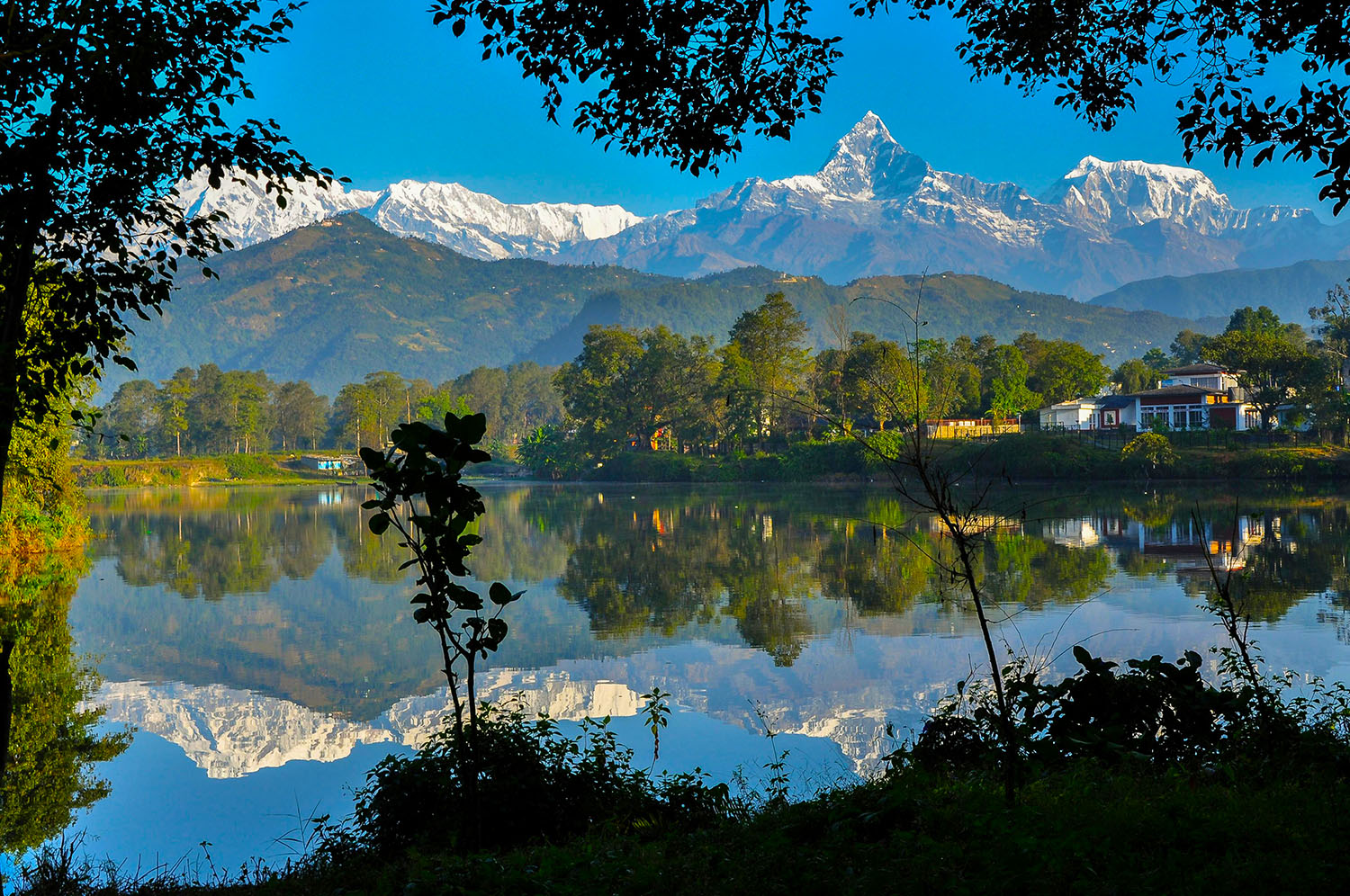
Pokhara is known as the "City of Lakes" due to its stunning and tranquil lakes. The most famous of these is Phewa Lake, where visitors can enjoy boating while taking in breathtaking views of the majestic Mount Machhapuchhre reflected on the water. Additionally, other lakes like Begnas and Rupa add to the city's overall charm.

(2) Adventure Activities
Pokhara is a hub for popular adventure activities. Activities such as paragliding, zip-lining, ultralight flights, and hiking are widely enjoyed. The nearby hill, Sarangkot, is famous for its sunrise and stunning mountain views. Visitors flock to this picturesque location not only for thrill-seeking opportunities but also to immerse themselves in the breathtaking natural beauty that surrounds them.

(3) Cultural and Tourist Attractions
The city is rich in art and cultural attractions. Visitors can visit Devi's Fall, Gupteshwor Mahadev Cave, and the peaceful World Peace Pagoda. The dazzling Lakeside is occupied with cafés, shops, and nightlife, making it a favorite spot for tourists.

(4) Gateway to Trekking
The city is a beautiful hub for tourism. It serves as a gateway to the Annapurna Range and the Mardi Himal Trek. Trekkers from around the world come here to embark on their Himalayan adventures.

(5) Best Time to Visit
Autumn (September to November) – Best Overall
Spring (March to May) – Second Best

(6) Entry Information
No fee applies for foreign visitors
Free or minimal cost for Nepali citizens
Open daily from morning to evening

Home to Mount Everest, Nepal is an ideal destination for trekking enthusiasts from around the world. From the visitors’ perspective, Everest Base Camp has become a top choice due to its iconic and breathtaking views of Everest, and its relatively moderate accessibility.

(1) Geography & Landscape
The Sagarmatha National Park, a UNESCO World Heritage Site located in the northern part of Nepal, offers dramatic natural beauty, including snow-capped mountains, deep valleys, alpine forests, and rivers. Popular peaks in this region include Lhotse, Nuptse, and Ama Dablam, which provide some of the most outstanding views of the Himalayas.

(2) Culture & Lifestyle
The region is home to Sherpa people communities and is strongly influenced by Tibetan Buddhism, where visitors can experience warm hospitality and delicious homemade food. The region is also famous worldwide for the mountaineering skills of the Sherpas. Tengboche Monastery is a renowned monastery where trekking adventures and Buddhist spiritual devotion harmoniously combine to provide a meaningful and uplifting journey.

(3) Trekking & Adventure
The off-the-beaten-path trails offer some of the most stunning routes in the region of Mount Everest, including the Everest Base Camp Trek, Gokyo Lakes Trek, and Three Passes Trek. These trails are a perfect blend of breathtaking scenery, adventure, and cultural experiences. Trekkers pass through traditional Sherpa villages, cross suspension bridges, and enjoy spectacular scenic viewpoints.

(4) Climate & Best Time to Visit
Best seasons: Spring (March–May) and Autumn (September–November)
Winters are very cold with heavy snowfall
Monsoon season brings rain and limited visibility

(5) Entry Information
Entry fee applies for foreign visitors
Free or minimal cost for Nepali citizens
Open daily from morning to evening

The Annapurna Conservation Area is the largest protected region of Nepal, covering around 7,629 km². The rich biodiversity of this region offers breathtaking natural beauty. As we travel through this area, we experience the warm hospitality of local people, cultural richness, and the unparalleled scenery of rhododendron-dense forests. The region attracts thousands of visitors every year and is considered one of Nepal’s top travel destinations.

(1) Location & Geography
The region lies in the north-central part of Nepal, stretching across districts such as Kaski, Manang, Mustang, Myagdi, and Lamjung. It features diverse landscapes ranging from subtropical forests and alpine meadows to high Himalayan deserts, deep river valleys, and glacier zones. This dramatic scenery makes it one of the most geographically diverse protected areas in the world.

(2) Major Trekking Routes
he Annapurna Conservation Area is popular for its snow-capped, towering mountains and world-famous trekking routes. One of the most renowned is the Annapurna Circuit Trek, known as one of the world’s classic trekking routes. It crosses the Thorong La Pass (5,416 m) and offers spectacular views of the Annapurna, Dhaulagiri, and Manaslu ranges.

(3)Annapurna Base Camp (ABC) Trek
The Annapurna Base Camp Trek leads directly to the base of Annapurna I and offers close-up views of the mountain along with a stunning glacier amphitheater.

(4)Ghorepani Poon Hill Trek
The Ghorepani Poon Hill Trek is a short and beginner-friendly trek, well known for its breathtaking sunrise views. It also provides insight into the local culture and traditions of the communities in the region. Homestay experiences along the route are very popular among trekkers.

(5) Wildlife & Biodiversity
Snow leopard (rare)
Himalayan tahr
Musk deer
Red panda (in lower forests)
Over 450 species of birds
The conservation area protects medicinal plants and alpine ecosystems.

(6) Climate and Temperature
Spring (March–May)
Autumn (September–November)
Lower regions: Warm and humid
Mild hills: Mild and pleasant

(7) Reasons to visit the Annapurna Conservation Area
Amazing Himalayan scenery
Easy to extreme-level trekking options
Rich cultural experiences
Easily accessible from Pokhara

(8) Entry Information
Entry fee applies for foreign visitors
Free or minimal cost for Nepali citizens
Open daily from morning to evening

Lumbini is one of the most important and sacred places in the world, where Siddhartha Gautama was born and later became Lord Buddha, the founder of Buddhism. It is located in the southern part of Nepal, near the Indian border, and attracts thousands of pilgrims and visitors every year. It is one of the most significant pilgrimage destinations in Nepal.

(1) Historical & Religious Significance
Lumbini is an immensely important site where Lord Buddha was born around the 6th century BCE. The credit for identifying this sacred place goes to Emperor Ashoka, who erected a pillar marking the exact birthplace. The Ashoka Pillar still stands today as a historical testimony to this sacred site.

(2) Maya Devi Temple
The temple marks the exact place where Maya Devi, the mother of Lord Buddha, gave birth. It is one of the most important historical structures in Lumbini. Inside, visitors can explore ancient ruins and a marker stone indicating the birthplace.

(3) Sacred Garden
The garden is surrounded by peaceful temples, monasteries, and meditation spots, offering a calm and spiritual atmosphere.

(4) Monastic Zone
Lumbini’s monastic zone is divided into two parts, where different countries have built beautiful monasteries representing their art, culture, and traditions of Buddhism.

(5) Ashoka Pillar This historically significant monument is known for its inscription identifying the birthplace of Lord Buddha.

(6) Peaceful Environment
Lumbini is famous as a center for Buddhist meditation. The calm surroundings, gardens, temples, and spiritual ambiance help visitors reflect and find inner peace.

(7) UNESCO World Heritage Site
Lumbini is listed as a UNESCO World Heritage Site due to its religious and historical importance. It symbolizes global peace and harmony.

(8) Accessibility
Lumbini is easily accessible by road and air. The nearest major city is Bhairahawa, which is well connected to different parts of Nepal and nearby countries.

(9) Why Visit Lumbini?
Birthplace of Lord Buddha
Deep spiritual and religious importance
Peaceful and serene environment
Rich history and cultural heritage
International monasteries and unique architecture

(10) Entry Information
Entry fee applies for foreign visitors
Free or minimal cost for Nepali citizens
Open daily from morning to evening

Chitwan National Park lies in the Chitwan District, about 150 km southwest of Kathmandu. It covers approximately 952.63 sq. km, making it one of the largest protected areas in Nepal. The park is bordered by the Rapti, Reu, and Narayani rivers, which enhance its picturesque beauty and ecological richness.
Chitwan National Park is the most visited national park in Nepal, attracting wildlife enthusiasts, adventure seekers, and cultural explorers. With its rich biodiversity, thrilling experiences, and vibrant culture, it offers unique and memorable travel opportunities.

(1) Natural Beauty & Ecosystem
The park features diverse landscapes, including:
Dense sal forests
Grasslands
Riverine forests
Wetlands and oxbow lakes

(2) UNESCO World Heritage Site
Due to its outstanding natural beauty and efforts to protect endangered wildlife, Chitwan National Park was listed as a UNESCO World Heritage Site. It is home to endangered species such as the one-horned rhinoceros and the Bengal tiger.

(3) Popular Activities
Jungle safari
Canoe ride
Bird watching tours
Nature walks with experienced guides
Visit to the Elephant Breeding Center

(4) Culture & Local Life
The park is closely connected with the Tharu community, the indigenous people of the region. Visitors can explore traditional Tharu dances, cultural museums, local cuisine, and their unique lifestyle.

(5) Best Time to Visit
The ideal time to visit Chitwan National Park is from October to March, when the weather is pleasant and wildlife viewing is at its best.

(6) Accessibility
5 to 6 hours by road from Kathmandu
25 minutes by flight to Bharatpur Airport

(7) Entry Information
Entry fee applies for foreign visitors
Free or minimal cost for Nepali citizens
Open daily from morning to evening

Bhaktapur Durbar Square is one of the most ancient and historically rich heritage sites in Nepal. Located in the city of Bhaktapur, the square is a living museum of traditional Newari architecture, art, and history. It is listed as a UNESCO World Heritage Site and welcomes thousands of travelers every year.

(1) Historical Significance
Bhaktapur Durbar Square was the royal palace of the Malla kings, who ruled the Kathmandu Valley from the 12th to the 18th century. The square served both cultural and political purposes. Many monuments and temples were built during the reign of King Bhupatindra Malla, who is credited with its unparalleled development.

(2) Architectural Highlights
The square is famous for its stunning architectural design, seen in its temples, palaces, and courtyards, all built in traditional pagoda and Shikhara styles. The 55-Window Palace, Golden Gate, Vatsala Temple, and Nyatapola Temple are iconic, intricately designed masterpieces of wood carving.

(3) Cultural Importance
Bhaktapur Durbar Square is not just a historical site; it is a center of unique art, vibrant culture, and traditional daily life. One of the most famous festivals celebrated here is Bisket Jatra, which marks the Nepali New Year with grand chariot processions and community celebrations.

(4) Art and Craft
The square is known for its rich artistic heritage. Visitors can observe artisans working on pottery, wood carving, and metalwork. It is a timeless treasure that reflects the glory of Nepal’s medieval past. It also offers a unique experience for anyone interested in the history and traditions of Nepal.

(5) Best Time to Visit
Autumn (Sept–Nov): Clear skies and festivals Spring (Mar–May): Pleasant weather and blooming surroundings

(6) Entry Information
Entry fee applies for foreign visitors
Free or minimal cost for Nepali citizens
Open daily from morning to evening

Patan Durbar Square is one of the most visited destinations in Nepal because of its unique artistic heritage, intricately carved ancient temples, and rich culture. It is listed as a UNESCO World Heritage Site and is known for its fine Newari craftsmanship, reflecting centuries of genuine artistic skill. The square once served as the royal palace of the Malla kings and showcases Nepal’s unique cultural and architectural excellence. One of its most famous landmarks is the Krishna Temple, a beautiful stone temple admired for its detailed carvings depicting Hindu epics.
Patan Durbar Square is not only famous as a historical site; it is also a symbol of the daily life of local people. Festivals and everyday activities continue to take place here, offering visitors an authentic experience of Nepali traditions. Despite the damage caused by the 2015 Nepal Earthquake, most of the monuments have been carefully restored.

(1) Major Attractions Inside Patan Durbar Square
Some of the most iconic historical monuments include the Royal Palace (Durbar Complex), Hiranya Varna Mahavihar, Taleju Temple, and the Krishna Temple.

(2) Best Time to Visit
Autumn (Sept–Nov): Clear skies and festivals Spring (Mar–May): Pleasant weather and blooming surroundings

(3) Entry Information
Entry fee applies for foreign visitors
Free or minimal cost for Nepali citizens
Open daily from morning to evening

Nagarkot is one of the most popular hill stations for hiking, located about 32 km east of Kathmandu. This destination is famous for its breathtaking sunrise views over the snow-capped Himalayan ranges. On clear days, Nagarkot offers stunning views of Mt. Everest, Ganesh Himal, and the Langtang Range. During sunrise and sunset, the sky creates a magical atmosphere that attracts visitors from around the world. It is a perfect destination for hikers, photographers, and nature lovers. The peaceful environment, fresh air, lush green foothills, and rolling hills make it an ideal escape from the busy urban lifestyle. The tour offers a unique blend of both rural village life and nearby urban experiences. Nagarkot is the perfect place to enjoy natural scenery, seek tranquility, and admire stunning mountain views. It remains a charming, short, and easily accessible hill station.

(1) Location and Accessibility
Nagarkot lies in the northeastern part of the Kathmandu Valley, within Bhaktapur District. It can be reached in about 2 hours by road from Kathmandu. The journey passes through green forests, traditional villages, and terraced farmlands, offering a scenic travel experience.

(2) Best Time to Visit
The best time to visit Nagarkot is during autumn (September–November) and spring (March–May), when the weather is clear and the mountain views are at their best.

(3) Entry Information
No fee applies for foreign visitors
Open daily from morning to evening

Mustang is located in the northern part of Nepal, bordering Tibet. It is well known for its unique diversity, as its terrain is very different from other parts of Nepal. Mustang is often called the "Last Forbidden Kingdom" because of its picturesque landscapes, ancient culture, and remote beauty. Mustang is divided into two parts: Upper Mustang and Lower Mustang. Lower Mustang is easily accessible and well connected for trekking routes, while Upper Mustang is a restricted area that preserves traditional Tibetan culture, monasteries, and way of life. The walled city of Lo Manthang is the cultural and historical center of Upper Mustang. Mustang lies in the rain shadow of the Himalayas, where the terrain is mostly dry and desert-like due to low rainfall. This creates unique landscapes of rocky cliffs, deep gorges, and colorful hills. The culture of Mustang is strongly influenced by Tibetan Buddhism. Visitors can explore ancient monasteries, caves, chortens, and traditional villages where people still follow centuries-old customs and traditions. Mustang is popular for various activities such as trekking, hiking, and adventure tourism. Upper Mustang offers a rare opportunity to trek in a preserved cultural region, while the Jomsom–Muktinath Trek is famous for its religious significance and scenic beauty.

(1) Location & Geography
Lower Mustang
Upper Mustang

(2) Best seasons
Spring (March–May)
Summer/Monsoon (June–August)
Autumn (September–November)

(3) Accessibility
Flight or drive from Pokhara to Jomsom
Trekking or jeep routes to Upper Mustang

(4) Permits & Regulations
Upper Mustang requires:
Restricted Area Permit
Annapurna Conservation Area Permit (ACAP)

Key Features:

- Rich cultural heritage and ancient history

- Home to UNESCO World Heritage Sites

- Major center for tourism and trekking in Nepal

- Mix of traditional culture and modern urban life

- Beautiful views of the Annapurna mountain range

- Adventure hub for paragliding, boating, and trekking

- Gateway to Annapurna trekking routes

- Peaceful natural environment and scenic beauty

- Located in the Himalayas on the Nepal–China border

- Known locally as “Sagarmatha” (Nepal) and “Chomolungma” (Tibet)

- Attracts climbers and trekkers from around the world

- Symbol of adventure, endurance, and natural wonder

- Known for stunning mountain and landscape views

- Home to Annapurna Conservation Area

- Rich in biodiversity and local culture

- Peaceful spiritual and meditation center

- Attracts pilgrims and tourists worldwide

- Popular for bird watching and nature tours

- Rich in historical and religious significance

- Major destination for eco-tourism in Nepal

- Rich biodiversity with rare species like the one-horned rhinoceros

Major destination for eco-tourism in Nepal

- Rich biodiversity with rare species like the one-horned rhinoceros

- Rich in culture, art, and history

- Known for pottery, wood carving, and local crafts

- Rich in culture, art, and history

- Known for pottery, wood carving, and local crafts

- Unique desert landscape in the Himalayas

- Less crowded and off-the-beaten-path experience